
Essays and notes
Blog
How do you stay in charge when software starts acting on its own? These short essays explore that question in plain language. Each piece is written for a real reader, checked against its sources, and honest about what we still don't know.

When an invoice gives orders to your assistant
Giving an AI assistant eyes and ears opens a hidden door. Discover why assistants mistake billing data for instructions, and how out-of-band sign-offs keep you safe.
Read · 8 min
Why a public decision cannot hide in a black box
When software decides who qualifies for housing, benefits, or public care, agencies cannot accept a vendor's trade secret. Here is why public choices need an open blueprint.
Read · 7 min
Why an assistant needs an open logbook
Autonomous digital assistants sound confident when they finish a task, but silent mistakes slip past cheerful summaries. Here is why every automated helper needs an auditable logbook.
Read · 7 min
Why your shopping assistant needs a bargaining shield
When you send an assistant to buy or negotiate, vendor bots use private forecasting tools to squeeze every dollar. Here is how collective buyer shields level the field.
Read · 8 min
Why thinking longer does not make an AI assistant more honest
Giving an AI assistant thousands of words to ponder a guess does not expose its blind spots. It builds elaborate justifications that make errors harder to spot.
Read · 8 min
Why reading an AI model's mind is harder than checking its receipts
Researchers use sparse autoencoders to peek inside neural networks, but internal probes cannot prove an agent won't cause harm. Durable safety needs outer receipts.
Read · 8 min
Who gets credit for upkeep?
AI tools made new code cheap and review expensive. We propose a way to record maintenance work and give it weight in how projects are run, without turning it into money.
Read · 5 min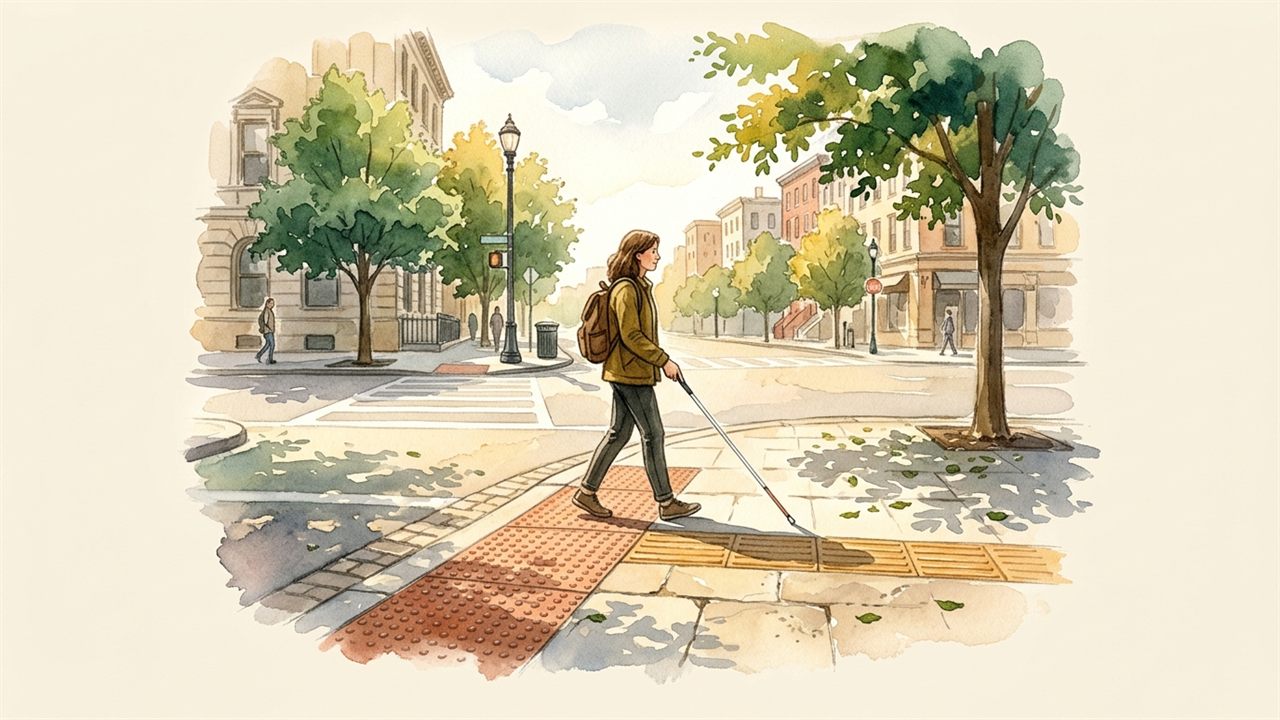
Why the digital sidewalk needs tactile paving
When software is built only for visual screens, blind users and automated assistants alike get trapped. Clear semantic paving makes the digital world navigable for everyone.
Read · 7 min
Why practicing without an assistant protects your judgment
When software handles every calculation, workers lose the diagnostic instinct that catches silent errors. Protecting unassisted practice keeps skill alive.
Read · 8 min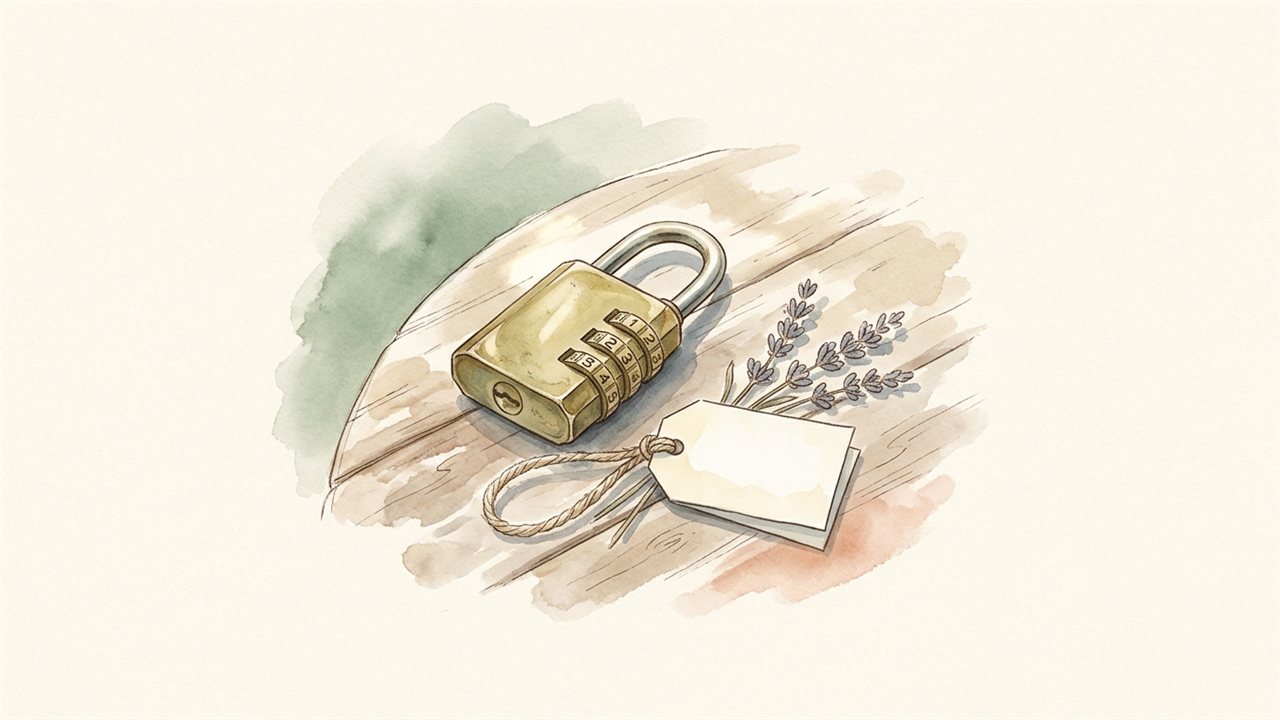
Locking an errand to your touch
When an AI assistant runs a sensitive chore, remote services need proof you approved it. Learn why that proof should never require giving away your fingerprint.
Read · 6 min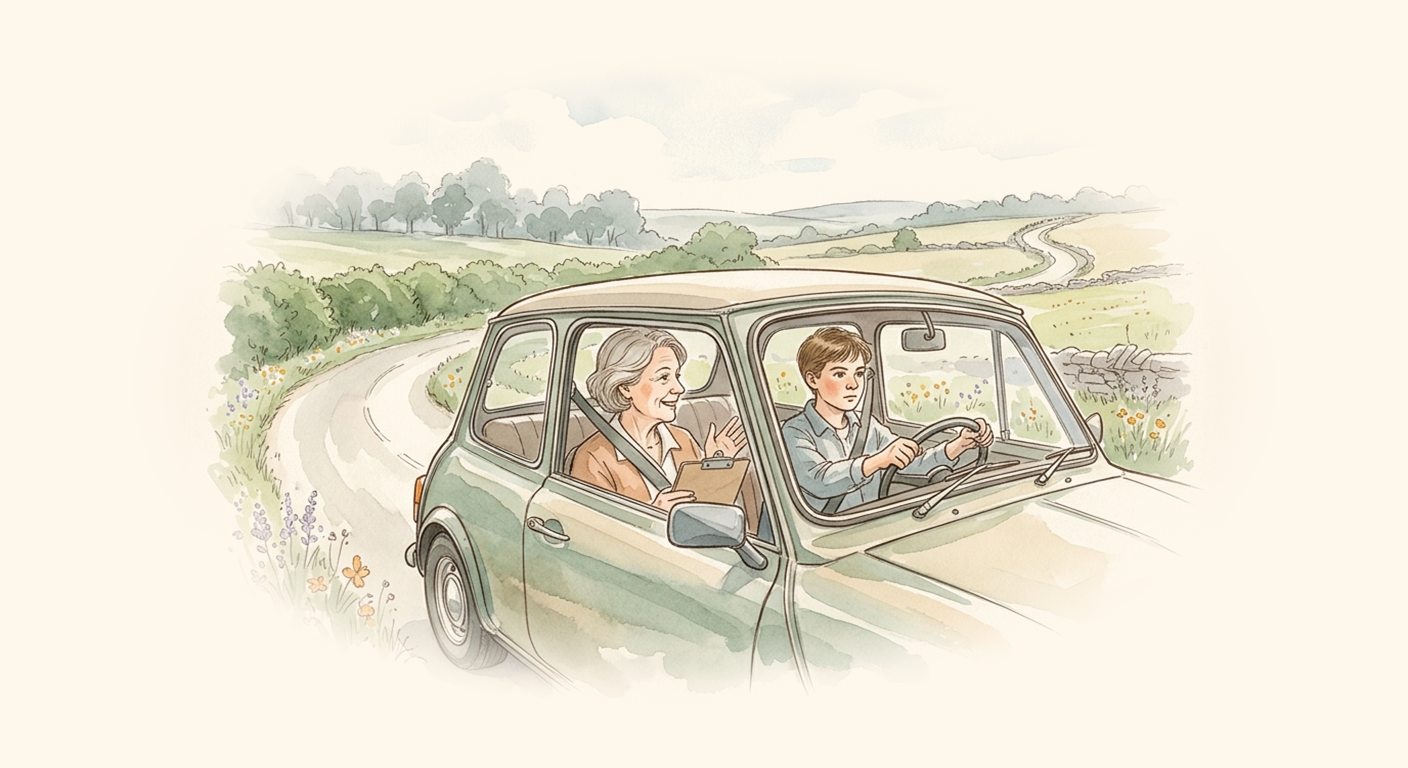
Testing an assistant on unfamiliar roads
When software assistants take tests they memorized in school, high scores hide real weaknesses. Learn why reliable evaluation demands unfamiliar problems.
Read · 7 min
Transparency you can actually use
Technical model cards and corporate compliance disclosures overwhelm ordinary users. Discover why communities need plain-language receipts that answer real human questions.
Read · 6 min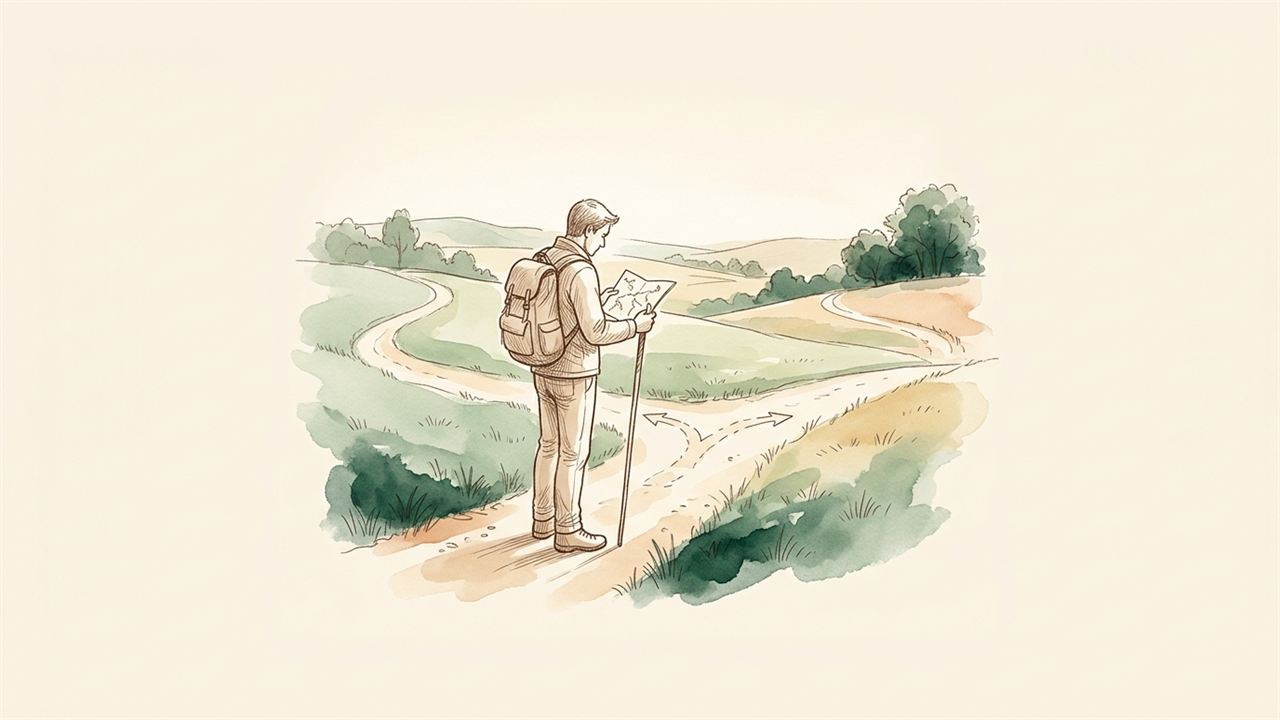
Showing the roads an assistant didn't take
When an AI assistant only presents its final choice, we cannot tell what alternatives it weighed. Showing rejected paths stops blind overreliance and keeps people in control.
Read · 8 min
Why an assistant shouldn't tap your shoulder for every small question
Loading an assistant with questions sounds cautious until it interrupts you every two minutes. Here is how well-designed tools protect human focus.
Read · 7 min
Paying for words instead of the repair
Why measuring AI by tokens generated rewards endless chatter and silent failures, and how shifting to verifiable outcomes restores common sense.
Read · 6 min
When pricing bots bid on public contracts
Automated bidding software can inflate public tenders without ever talking or launching price wars. Here is how municipal buyers audit unpunished algorithmic collusion.
Read · 10 min
Why speedometers don't steer
AI benchmark rankings measure only raw processing speed and task duration. Here is why an honest observatory must measure human control, auditability, and emergency brakes alongside capability.
Read · 9 min
Why your inbox is not a security guard
When an AI assistant asks for permission by sending a code to your email or popping up a box, it is often checking its own homework. Real oversight needs a separate buzzer.
Read · 8 min
Teaching an assistant step by step
When an AI assistant gets an errand wrong, giving it a score at the end leaves it guessing. Pointing to the exact step where it slipped makes it learn in a fraction of the time.
Read · 8 min
Why code still needs a mentor
Generating software has never been cheaper or faster. But if automated tools swamp our human maintainers, nobody will be left who understands how to teach the next generation.
Read · 8 min
Why an AI agent will not audit itself
Agents often don't report their own mistakes, invent citations, and cause damage while finishing the task. Checking has to happen outside the agent.
Read · 6 min
When an agent forgets who said what
When an AI assistant summarizes its memory to save space, untrusted text inside files can quietly turn into verified orders. Why memory compaction without role fences breaks the chain of custody.
Read · 8 min
When an assistant reads the rules
Automated agents deployed to check regulations or approve public benefits cannot simply predict the next fluent word. Grounding compliance in verified statutes and human caseworker escalation protects real people from polite mistakes.
Read · 8 min
When the middleman pads the meter
Commercial AI relays often promise cheaper access and simpler plumbing. But without independent client-side receipts, unmonitored middlemen can inflate token bills, silently downgrade models, and violate tool permissions.
Read · 7 min
Why watermarking breaks the words
Embedding statistical watermarks inside generated text causes subtle factual errors. Attaching an unperturbed cryptographic receipt keeps words true.
Read · 8 min
Keeping the story behind what we build
When AI assistants write code faster than we can read, we risk losing why choices were made. Here is how we keep the map while the machine builds.
Read · 7 min
Pooling orders without showing your books
Independent shops and community clinics pay higher prices than giant chains. New tools let them combine orders to unlock wholesale discounts without revealing their sales books or private inventory to competitors.
Read · 9 min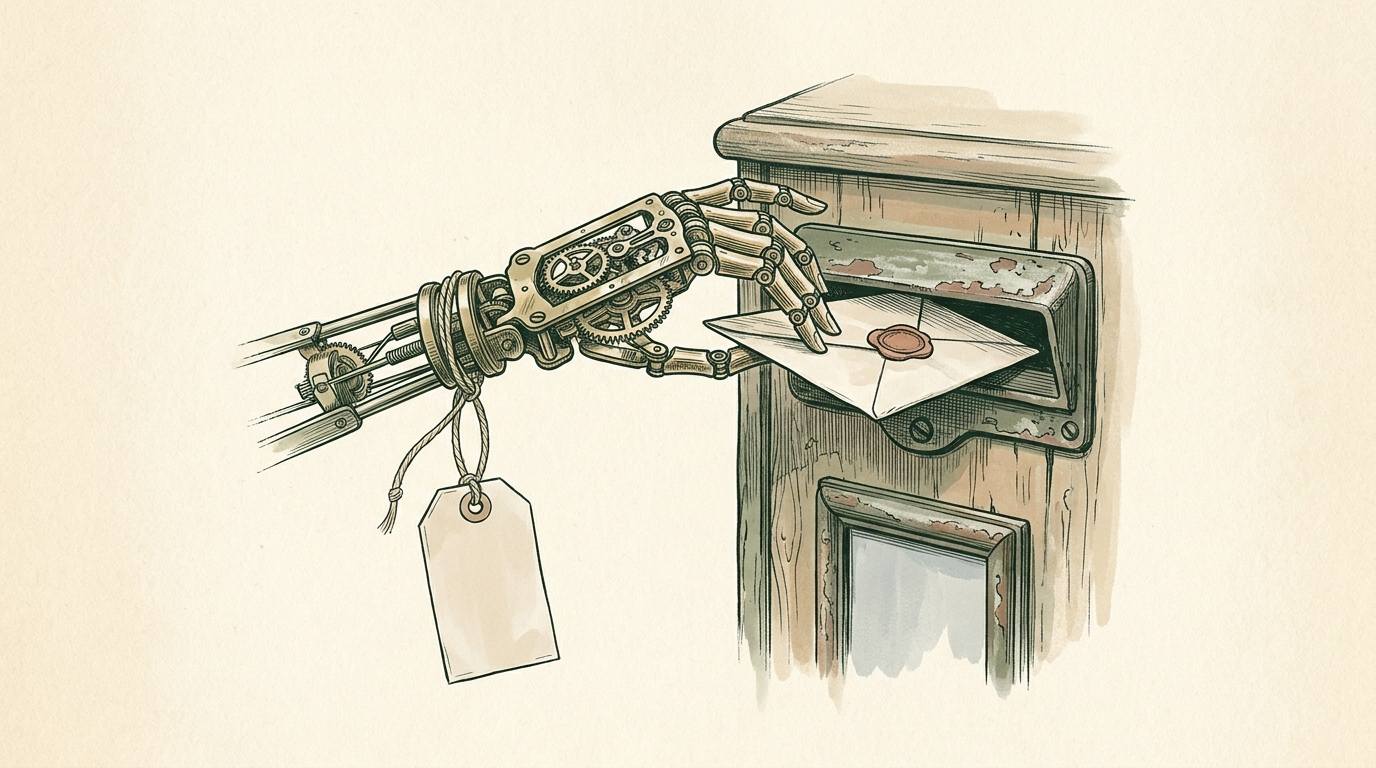
Who is actually acting?
AI assistants are starting to act for us. Before they do much more, we need the equivalent of a licence plate and a receipt.
Read · 9 min
Why a score is not a journey
For years, explaining an AI meant highlighting words in a sentence. When an assistant takes ten steps across three websites, you need a journey map, not an ingredient list.
Read · 8 min
Proving one fact without handing over the rest
When you show your ID to prove you are an adult, you shouldn't have to show your home address and licence number too. Here is how software assistants can answer questions without handing over your whole life.
Read · 8 min
Reading the fine print on a medical bill
Medical bills often arrive with cryptic five-digit codes and unexpected charges. A private assistant running on your phone can check those codes against public rules without your records ever leaving your hands.
Read · 9 min
Why the internet needs a second road
Bots now make up more of the web's traffic than people do. We think AI agents need a network of their own, so the human internet can stay human.
Read · 9 min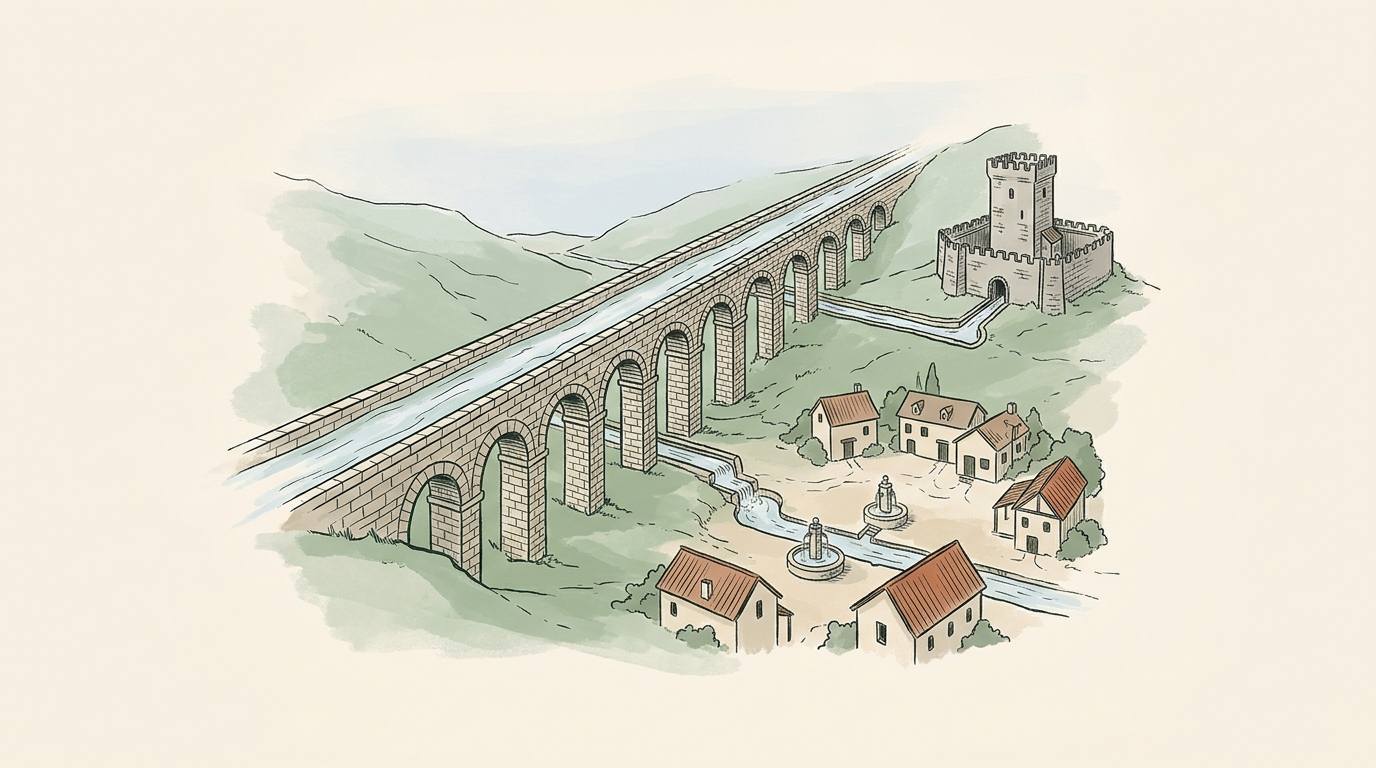
Who should own intelligence?
A few companies own the machines that more and more of our thinking runs on. We think that infrastructure deserves the kind of thought we give to roads, water and libraries.
Read · 9 min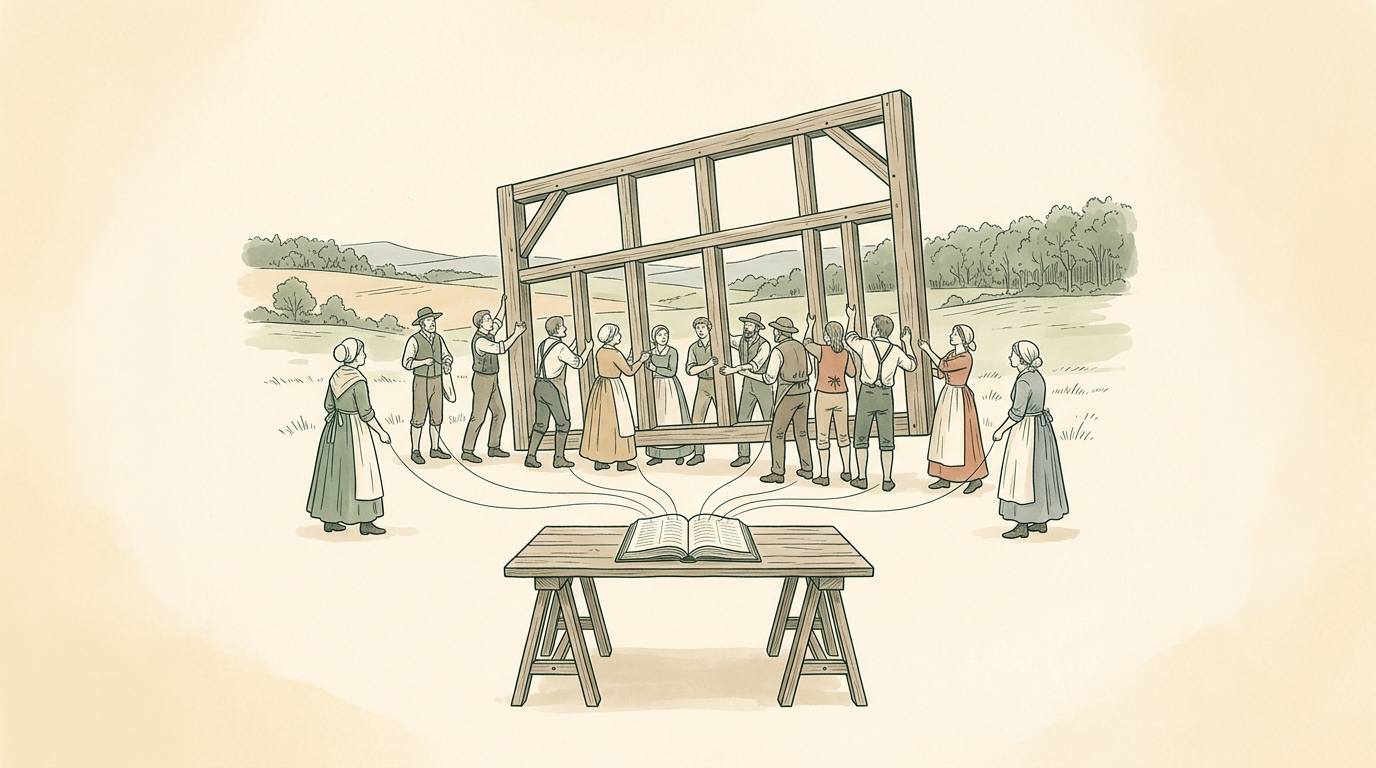
Why trust multiplies
Trust doesn't just make a group a little more effective. It decides how big a problem the group can take on. A shared record anyone can check changes the arithmetic.
Read · 9 min
An assistant that works only for you
A lawyer or doctor is bound by law to serve one client, not the other side. As AI assistants take on more of our daily lives, we think each person needs a small assistant on their own device that answers only to them.
Read · 9 min
Open problems we'd love help with
Every serious research agenda has a list of things it knows how to build, and a shorter, harder list of problems that could break the whole idea. Here is ours.
Read · 10 min
What would count as oversight?
Almost every policy promises human oversight of AI. Here are four testable conditions that separate real oversight from rubber-stamping.
Read · 10 min
Taking back your recommendation profile
The feeds you use every day map what you care about. You should be able to inspect that map, edit it, and carry it with you when you leave.
Read · 9 min
When agents deal with agents
Most AI safety tests check one model talking to one person, like testing a car in an empty parking lot. What happens when millions of agents share the road?
Read · 9 min
Five questions to ask before buying an AI agent
Before a public body lets software act on its behalf, five plain-language questions in the tender can separate an accountable tool from a future public inquiry.
Read · 10 min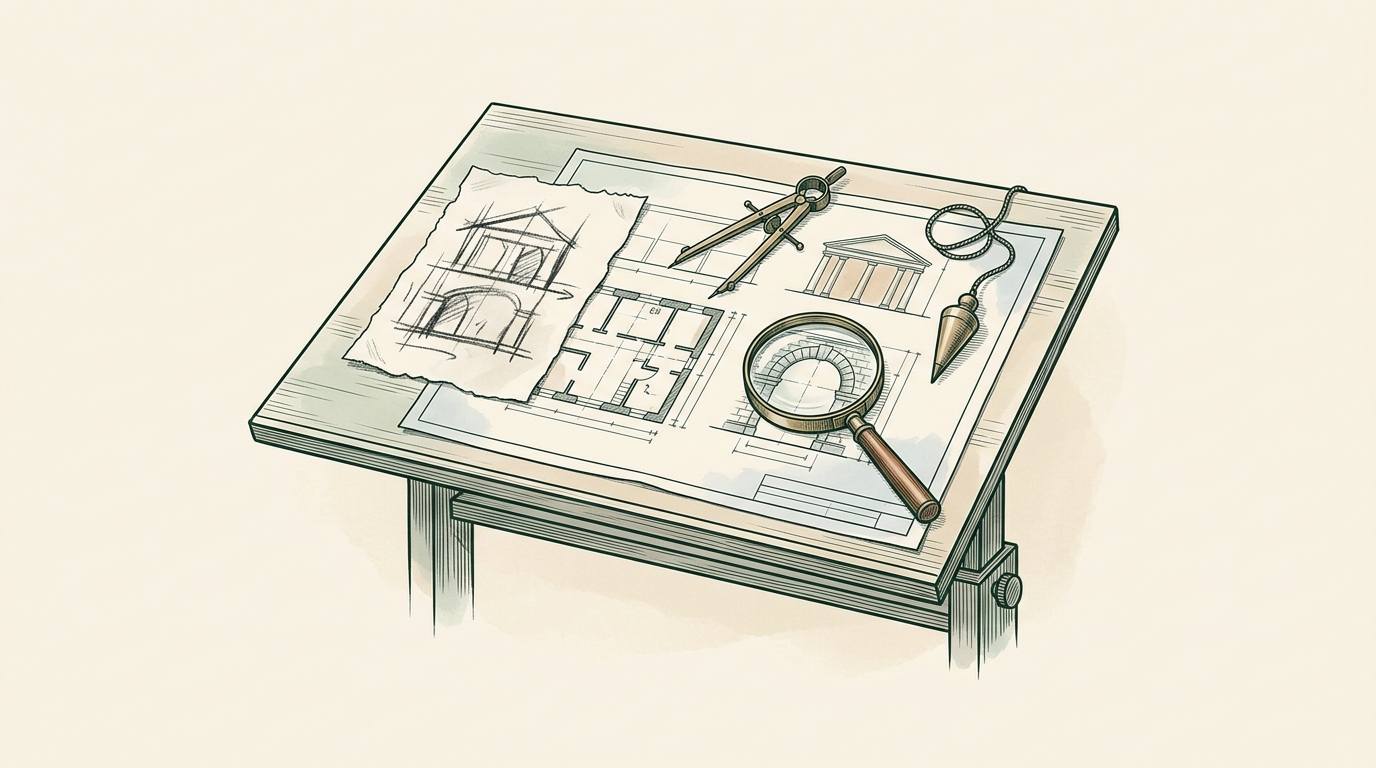
Instructions are clues, not orders
Why a good assistant treats your words as a clue to what you mean, rather than a literal order to carry out at any cost.
Read · 9 min
Public computing, explained
What people mean when they talk about treating AI computing power like a public library or a road network, where it is already being built, and what determines whether it serves the public.
Read · 9 min
Quests, not feeds
Why a short, finite list of things that actually need you, chosen by an assistant that answers only to you, beats an endless feed designed to hold your attention.
Read · 10 min
How to tell if an AI assistant is working for you
Step off a train in an unfamiliar city and you might meet two very different guides: a free kiosk paid by the tourist traps, or a local guide who works only for you. Here are five five-minute tests to tell whose side your AI assistant is really on.
Read · 9 min
No one should command a swarm
Why no single person or master key should ever direct a fleet of AI agents acting in the shared world, and how two-person rules and shared sign-off can prevent runaway mistakes.
Read · 9 min
When software makes a decision about you, what should you be able to see?
A rental application turned down in thirty seconds. A health claim denied. When software shapes a decision about your life, four simple things should always be visible.
Read · 9 min
How an AI assistant should tell you when it might be wrong
A tiny disclaimer at the bottom of a chat window isn't honesty. Here are four habits an AI assistant needs so you can tell solid facts from guesswork.
Read · 9 min
What governments are already doing about AI agents
A plain-language guide for public officials to the rules already in place for AI systems and AI agents, the gaps that remain when software acts on its own, and practical steps any agency can take today.
Read · 10 min
How a need finds an answer
Why asking for help online shouldn't mean broadcasting your private life to strangers, and how concentric circles of trust work.
Read · 9 min
Before you sign the contract
High-level ethical promises do not protect public services or everyday buyers. Writing clear human-AI interaction rules directly into contracts does.
Read · 9 min
Keeping the craft, dropping the chores
Why automating a whole job is the wrong goal, and how to separate the paperwork that drains people from the judgment that gives work meaning.
Read · 9 min
Why containment runs out of time
Locking the most capable AI inside a sealed box is an essential way to buy time, not a permanent answer. We need to use the time it buys to build durable rules for living alongside capable systems.
Read · 9 min
How groups govern a shared resource
Communities have run pastures, water and fisheries for centuries without a single boss or ruin. The same design rules apply when people share AI tools, and when AI agents share a resource.
Read · 7 min
Why long errands go off the rails
Small mistakes compound when software plans one tiny step at a time. Checkpoints and human milestones keep long errands on course.
Read · 9 min
Why assistants should ask instead of guessing
Loading an AI assistant with dozens of tools makes it clumsy and prone to costly mistakes. The best assistants don't guess, they stop at critical forks in the road and ask.
Read · 8 min
Stopping the algorithmic race to the bottom
When software agents bargain against each other in gig and freelance markets, unguarded speed can drive independent workers below a living floor.
Read · 9 min
Giving credit when many hands build something together
When a useful answer draws on dozens of teachers, datasets, and specialist tools, how do we keep an honest record of who made it work?
Read · 10 min
Hearing how much people care, not just how loud they shout
Polls and comment boxes record who showed up and how loudly. A consultation can also find what most people agree on and how strongly each person cares, if it is designed to.
Read · 6 min
Why many small assistants beat one giant mind
In aviation, medicine, and engineering, safety never comes from trusting one infallible giant. It comes from independent tools that check one another.
Read · 10 min
When an AI pretends to be simpler than it is
Safety rules assume software tries its hardest on every test. When models learn to hold back or hide capabilities, our benchmarks stop telling the truth.
Read · 9 min
When every assistant agrees
Groups of AI agents converge on the same answer far too easily, often because they share a model, share evidence, or watch each other. Agreement among them is weak evidence unless they were kept independent.
Read · 6 min
Why pricing bots learn not to compete
When stores and landlords let software agents set prices, the bots quickly learn to keep prices high together. They do it without ever talking to each other.
Read · 9 min
Postmarks for the real world
When anyone can fake a photo or video in seconds, we need a simple way to know where real evidence came from without exposing the person who took it.
Read · 9 min
Who is really there?
Voice clones, deepfake video calls and tampered devices make it easy to pass as someone you're not. Here's how AI agents could help notice, and how to do it without treating honest people as suspects.
Read · 9 min
AI agents should hold permissions that expire
Most AI agents get standing access that lasts until someone remembers to revoke it. We propose narrow permissions, tied to one task, that expire unless a person renews them.
Read · 6 min